Column · @medicalmarijuanaediblescorner
Why Medical Marijuana Edibles Are a Go-To for Controlled Dosing
Understanding the Appeal of Medical Marijuana Edibles
When people first hear about medical marijuana edibles, many picture a friend’s overly sweet brownie that left them asleep on the couch for an afternoon. That image is not wrong, but it is incomplete. Over the past several years, the market for cannabis-infused snacks has matured far beyond the unpredictable homemade batch. Today, you can find cannabis chocolates, THC gummies, cannabis brownies, and cannabis fruit chews that are produced with precise labeling, consistent potency, and a clear understanding of how the body processes them. For anyone who needs relief from chronic pain, anxiety, or sleep issues without inhaling smoke or vapor, these products offer a discreet and repeatable option.
The shift toward medical marijuana edibles is not just about convenience. It reflects a deeper change in how people think about cannabis regulation and their own health. Many states now require testing and labeling for cannabis-infused baked goods and other infused items, which means consumers can look at a package and know exactly how much cannabis extract or cannabis butter is inside. That transparency makes dosing edibles far less guesswork than it used to be. And that is the core reason so many patients and casual users alike are turning to this category.
How Edibles Work Differently Than Inhalation
When you eat a cannabis-infused snack, the THC and other cannabinoids are processed through the liver before they reach the bloodstream. This first-pass metabolism converts delta-9-THC into a more potent compound called 11-hydroxy-THC, which crosses the blood-brain barrier more easily. The result is a longer, often more intense experience compared to smoking or vaping. Onset can take anywhere from thirty minutes to two hours, depending on what you have eaten recently and your individual metabolism. Once it kicks in, the effects can last four to eight hours or more.
This extended duration makes edible cannabis products particularly useful for conditions that require sustained relief. Someone with chronic joint pain might prefer a cannabis brownie in the morning that keeps discomfort at bay through the afternoon, rather than needing to re-dose every hour with a vape pen. The trade-off is that you cannot quickly undo an edible if you take too much. That is why a cannabis dosage guide is so important, and why reputable edibles brands put clear milligram amounts on every package.
Choosing a Product Form That Fits Your Life
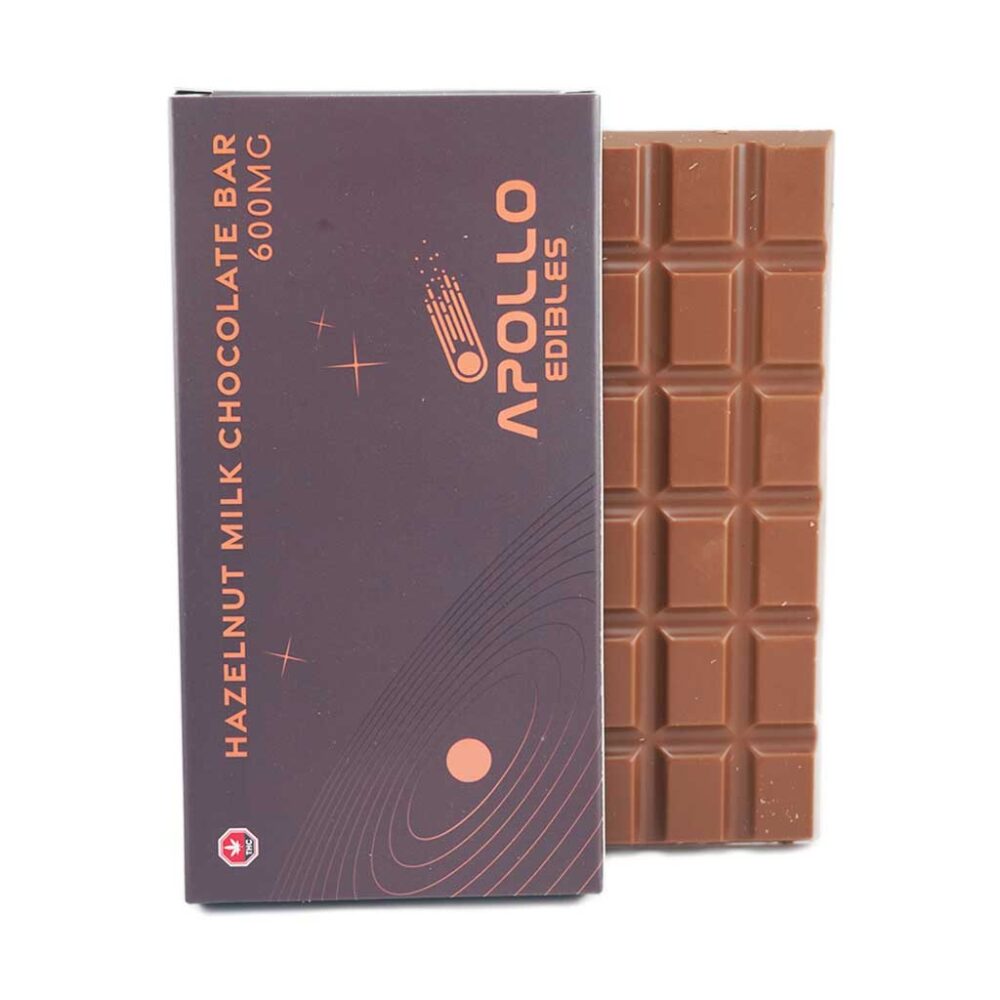
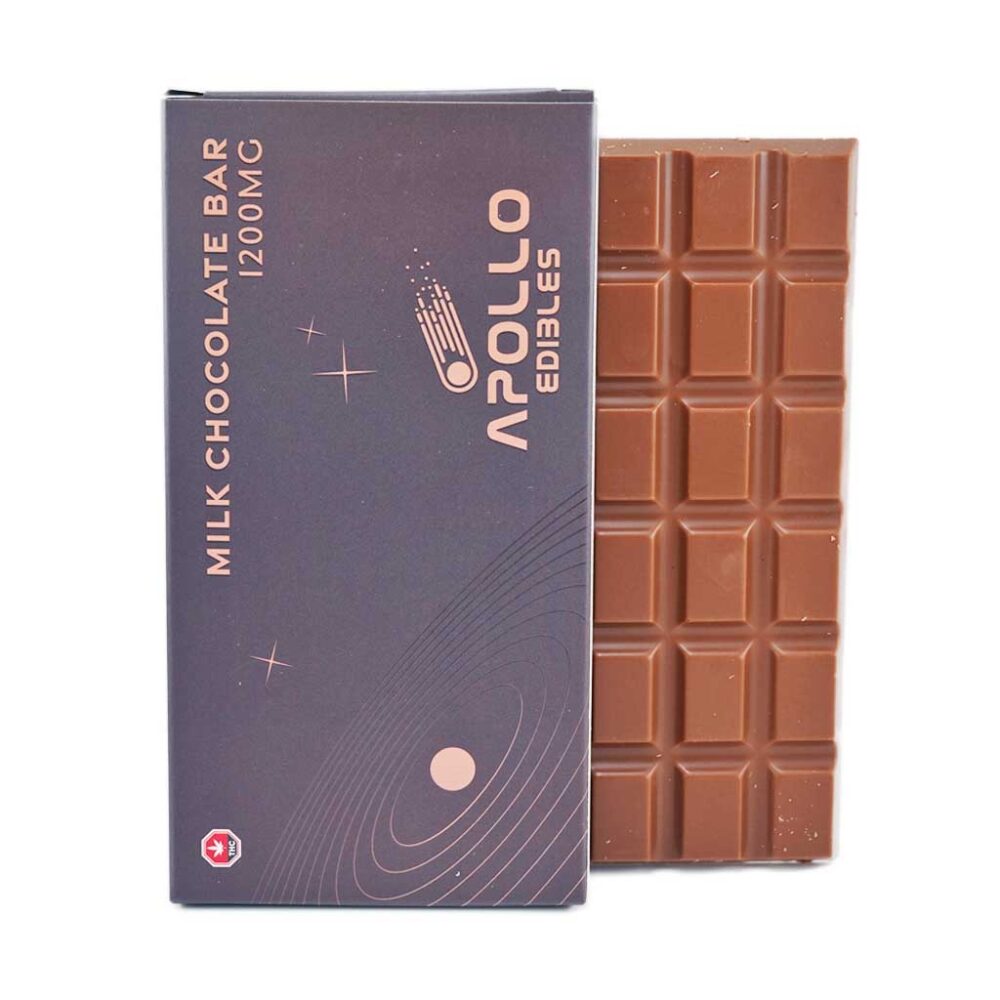
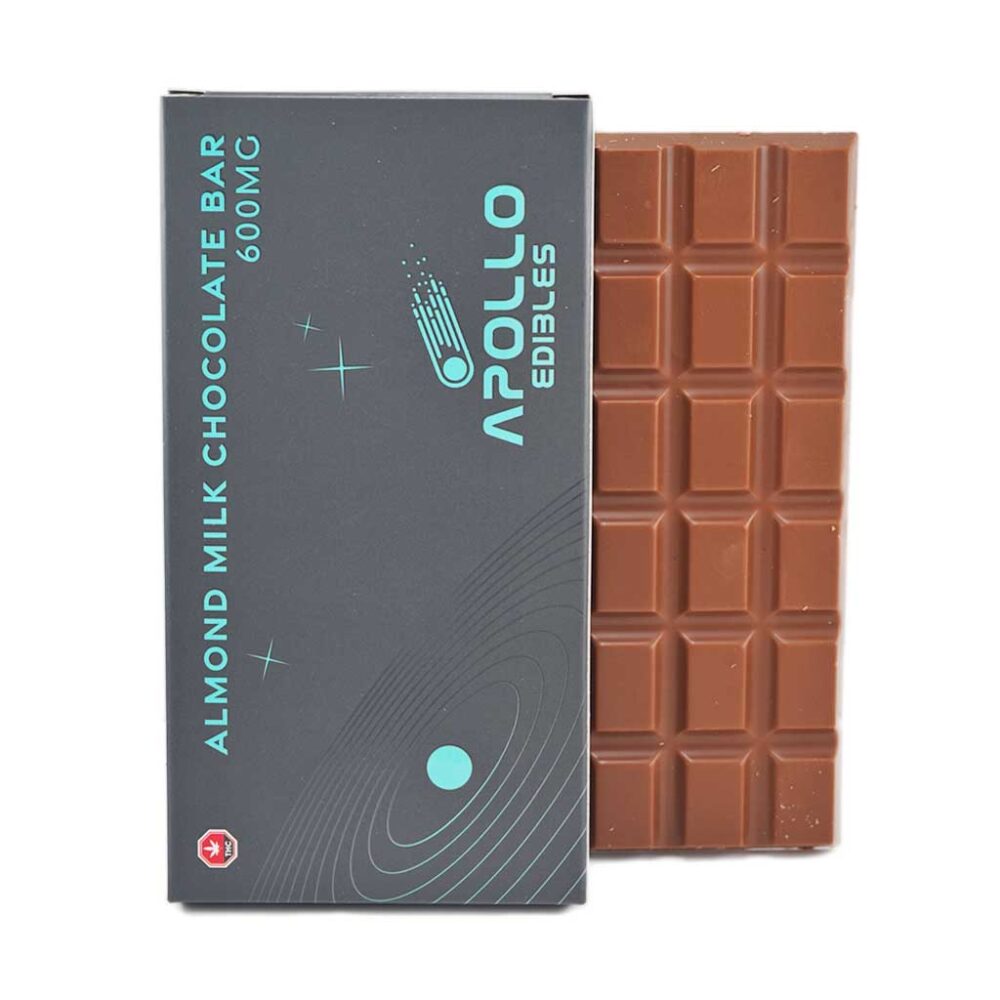
Not all medical marijuana edibles are created equal, and the form you choose matters as much as the dose. Cannabis chocolates, for example, tend to mask the earthy flavor of cannabis extract well because cocoa is naturally strong and fatty. Fat helps with absorption, so a high-quality chocolate bar from a brand like Kiva Confections or Binske can deliver a smooth, predictable experience. THC gummies, on the other hand, are often made with cannabis tinctures or distillates, and they offer the most precise portion control because you can cut a large gummy into exact pieces. Many people find gummies easier to carry and more socially acceptable than a bar that might melt in a pocket.
Cannabis fruit chews occupy a middle ground. They are softer than gummies but chewier than a chocolate, and they often come in single-piece wrappers that make it easy to track how many you have eaten. Cannabis-infused baked goods like brownies or cookies remain popular, but they tend to have a shorter shelf life unless they are packaged with preservatives. Some users prefer to make their own using cannabis butter or cannabis oil, especially if they have dietary restrictions or want to control the exact strain used. That approach requires careful attention to dosing edibles at home, since homemade batches can vary widely in potency even when following a reliable cannabis recipe.
The Role of Brands in Building Trust
Trust is everything in this market. Because the effects of edibles can be strong and long-lasting, consumers need to know that what is on the label matches what is inside the package. That is where established edibles brands have made a real difference. Kiva Confections, for instance, built its reputation on precise, lab-tested doses and a straightforward approach to labeling. Their chocolate bars and gummy cubes show the exact milligrams of THC per piece, and they use a cannabis extract that is consistent batch to batch. Wyld, another well-known name, focuses on fruit-flavored gummies that pair specific cannabinoid ratios with functional ingredients like melatonin or caffeine, depending on the intended effect. Binske takes a more culinary route, infusing dark chocolate and even honey with cannabis, treating the plant as an ingredient rather than a medicine.
These companies invest in testing and quality control, which helps push the entire category forward. When a consumer can buy a package of cannabis chocolates and know that each square contains exactly ten milligrams of THC, they can start low and adjust slowly without anxiety. That kind of reliability is what turns a skeptical first-timer into a regular user. And it is also what keeps regulators engaged, because consistent labeling makes enforcement easier and reduces the risk of accidental overconsumption.
Dosing: Start Low and Go Slow
If there is one rule that every cannabis dosage guide repeats, it is this: start with a low dose, wait at least an hour, and only then consider taking more. For someone new to medical marijuana edibles, a serving of two to five milligrams of THC is a reasonable starting point. That might sound tiny, but the liver conversion amplifies the effect, and a small amount can be enough to notice a shift in mood or pain level. After a few sessions, you can gradually increase to find your personal sweet spot. Most experienced users settle somewhere between ten and twenty milligrams for a moderate effect, though some conditions require higher doses under medical supervision.
One common mistake is treating an edible like a snack rather than a medicine. People eat a THC gummy, feel nothing after twenty minutes, and eat another. An hour later they are deeply uncomfortable. That is why understanding cannabis potency matters. The same weight of cannabis-infused snack can vary dramatically if the manufacturer uses a different extraction method or a different ratio of THC to CBD. A cannabis fruit chew from Wyld might contain a balanced ratio of THC to CBD, which produces a milder, more calming effect than a high-THC chocolate from another brand. Reading the label and knowing your own tolerance is the only reliable approach.
Legal Landscape and Buyer Awareness
Cannabis regulation varies widely by state, and that directly affects what you can buy and where. In states like Colorado, where recreational and medical use have been legal for years, cannabis edibles are sold in licensed dispensaries with strict testing requirements. Colorado cannabis edibles, in particular, have set a benchmark for labeling accuracy and child-resistant packaging. Other states have looser rules or allow only medical sales. Before you buy any cannabis-infused snack, check your local laws. Even in legal states, there are limits on how much THC can be in a single package, and some products are restricted to medical patients only.
It is also worth noting that the federal government still classifies cannabis as a Schedule I substance, which creates complications for banking, shipping, and interstate commerce. That is why most edibles brands operate within a single state or region, and why you often cannot order them online from a dispensary in another state. The patchwork of regulations can be confusing, but it also means that local businesses have a chance to build relationships with their customers and tailor products to regional preferences.
Practical Tips for First-Time Users
If you are considering medical marijuana edibles for the first time, here are a few practical takeaways:
- Eat a small meal with some fat about thirty minutes before you take the edible. Fat helps with absorption and can make the onset more predictable.
- Keep a notebook or a note on your phone to track how much you took, what you ate, and how you felt. Over time, this becomes your personal cannabis dosage guide.
- Do not mix edibles with alcohol or other depressants, especially your first few times. The effects can compound in ways that are hard to manage.
- Store all cannabis-infused baked goods and other edibles in a locked container, out of reach of children and pets. Even a small piece of a high-potency chocolate can be dangerous for a child.
Final Thoughts on Finding What Works
The world of cannabis-infused snacks is wide and still growing. What works for one person might not work for another, and that is fine. The beauty of medical marijuana edibles is that they offer a customizable experience. You can choose a product based on flavor, onset time, duration, and the specific cannabinoid profile that addresses your needs. Whether you prefer a dark chocolate bar from Binske, a balanced gummy from Wyld, or a precisely dosed square from Kiva Confections, the key is to approach the experience with patience and curiosity. Treat it like you would any other tool for wellness: learn how it works, respect its limits, and adjust as you go.